
Bronx, NY
Permits and Building Access in the Bronx
The sequence before demolition can start in a Bronx building: the asbestos assessment, the filing, the board, the hours, the elevator windows and the container. In order, and with who does each part.
The same sequence, two very different jobs
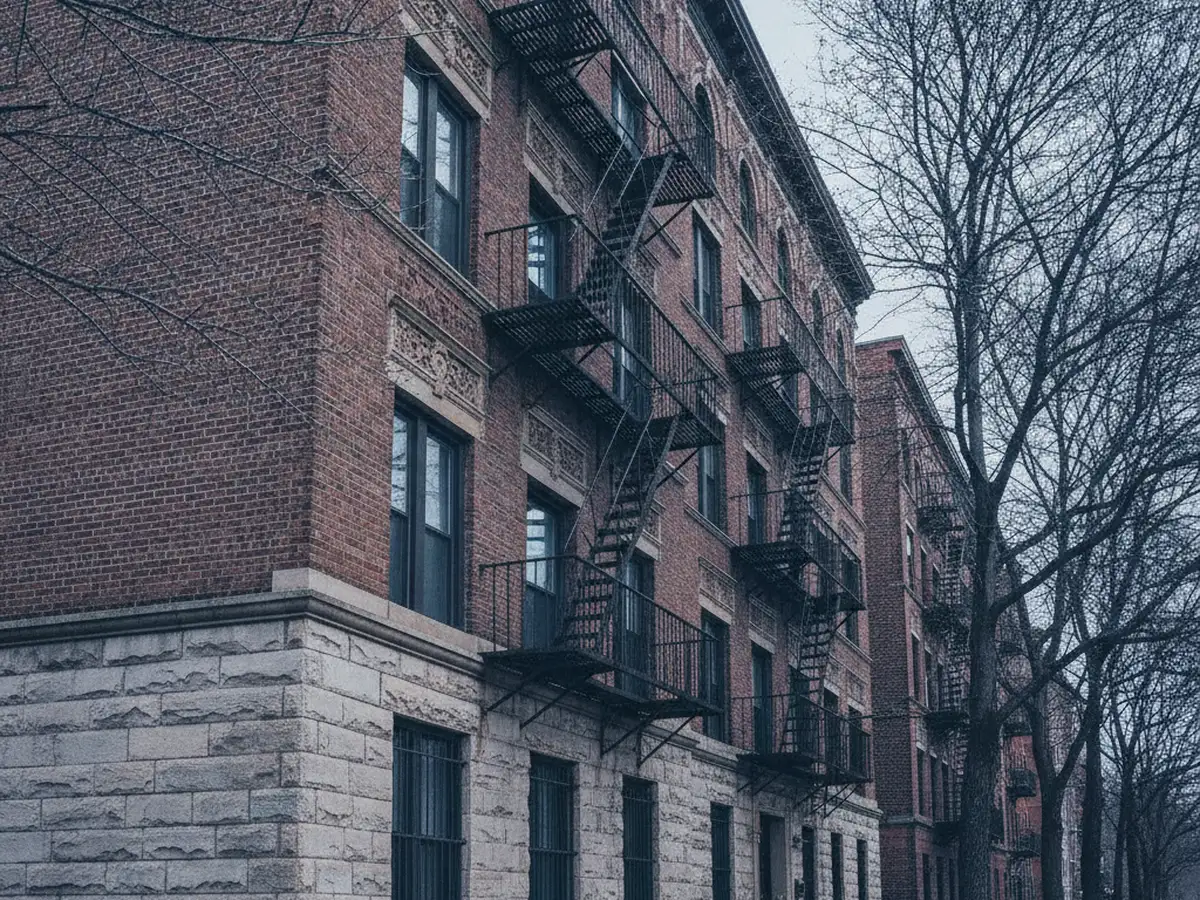
The Bronx runs two completely different versions of this sequence, and which one you are in is decided by what you own rather than by where you are.
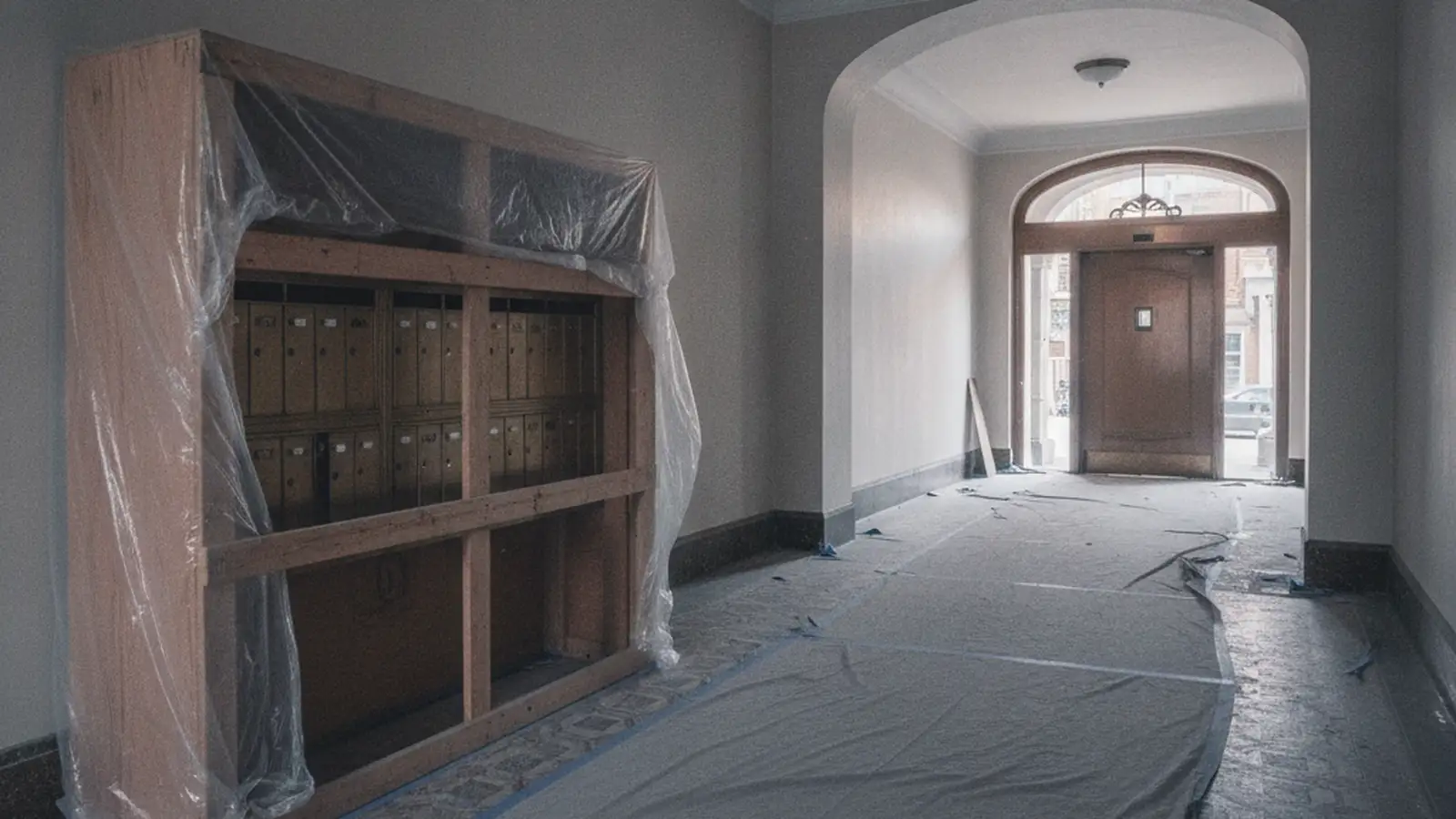
If your job is in a pre-war apartment building, on the Grand Concourse, in Van Nest, along Pelham Parkway, in Fordham, Kingsbridge or Norwood, then the building is part of the process. There is an approval to get, a superintendent to arrange things with, and one passenger elevator that everybody in the building shares with you.
If it is in a two-family house in Throgs Neck, Pelham Bay, Soundview or Wakefield, or a freestanding house up in Riverdale or Fieldston, most of that disappears. The owner is the approval. What replaces it is the driveway, the container and the neighbour through the wall.
The city's part of the sequence is identical in both. Everything else is not, so the order below says which steps apply to which.
First question: does your job need a filing at all?
Not every demolition job needs a Department of Buildings permit, and the answer decides how much of this page applies to you.
Taking out kitchen units, flooring, a dropped ceiling or fixtures and putting back like for like is generally minor work that needs no permit. Removing walls, changing the layout, touching plumbing, gas, sprinkler or standpipe work, altering egress, or anything structural does, and the filing is made by a registered architect or engineer rather than by the demolition contractor.
There is a Bronx-specific reason to settle it early. A great deal of the borough's pre-war stock is plaster on lath over brick, and behind the plaster the arrangement of walls is not always what a floor plan from a later renovation shows. We would rather establish which side of the line you are on before a start date is promised than find out with the plaster off.
Where it is not obvious, the design professional decides. We will tell you honestly on the first call which way we think it goes.
The sequence
-
Step 1 of 5
The asbestos assessment, if the building predates April 1987
For a building built before 1 April 1987, the city requires an asbestos assessment before the Department of Buildings will issue a permit for work that could disturb material. A DEP certified asbestos investigator inspects the areas the work will touch and files Form ACP-5 with the Department of Environmental Protection if the work is exempt, or an abatement plan if it is not.
Essentially all of the borough's pre-war apartment stock and most of its houses predate that date. This is the customer's own filing, it is the most common cause of a late start, and it is the first thing to order.
-
Step 2 of 5
Design and filing, where the work needs it
A registered architect or engineer prepares the drawings and files with the Department of Buildings. The permit issues to the licensed contractor performing the permitted work. Demolition inside a larger renovation is normally filed with it as one job rather than separately.
-
Step 3 of 5
The building's own approval, in a co-op or condo
Where the building has a board there is a second approval that has nothing to do with the city. The alteration agreement sets out what is wanted, usually drawings, insurance certificates, a deposit and a schedule, and it sets the rules the job runs to.
A house owner skips this entirely, which is the single biggest reason the same scope moves faster in Pelham Bay than on the Grand Concourse.
-
Step 4 of 5
Work hours, and a variance if you need one
Construction activity runs 7:00 AM to 6:00 PM on weekdays. Anything earlier, later or at the weekend needs an After Hours Variance from the Department of Buildings, filed a few business days before the first day and covering days inside a fourteen day window.
The rule covers the activity rather than the machinery, so quiet weekend work needs one too. Your building may set narrower hours than the city, and a co-op usually does.
-
Step 5 of 5
The elevator window, the driveway and the container
The last thing settled and the one that decides the pace. In a pre-war building it is the passenger car, because there is usually no freight elevator at all: which hours the super releases it for, how the cab and the lobby floor get protected, and how much can leave in a day.
In a house it is simpler and it moves outdoors. A short driveway will often hold a container off the street. Where it will not, the container stands at the curb under a permit. Either way we settle it before we quote.
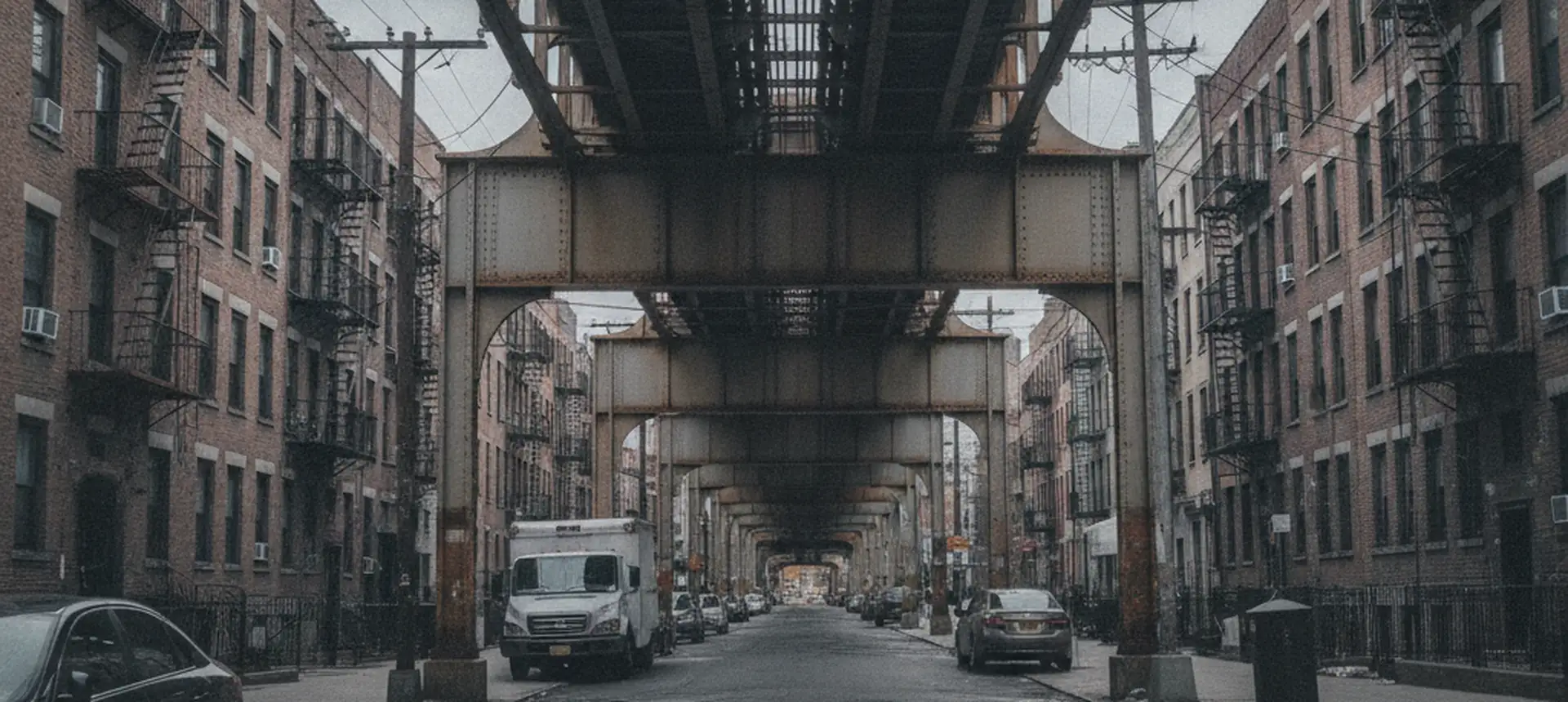
A Bronx avenue under the elevated line
Storefronts under the elevated lines
Commercial work on Westchester Avenue, White Plains Road and Jerome Avenue has a sequence problem of its own, and it is not on any form.
These are storefronts underneath occupied apartments, on avenues running beneath an elevated structure. There is no loading dock and no rear service road. Everything comes out to the curb, under the steel, on a street that carries traffic all day and a train overhead.
That makes two things matter more here than anywhere else in the borough. The hours, because the people directly above the shop are at home and the structure carries sound. And the curb, because where the container can legally stand, and for how long, decides how the whole job is staged. We walk the frontage before pricing rather than working from the lease plan.
Historic districts, and what Landmarks actually asks for
The Bronx has fewer designated blocks than Manhattan or Brooklyn, and it very much has them. The Grand Concourse, Mott Haven, Longwood, the Bertine Block, Fieldston and parts of Riverdale all carry designations.
Inside a historic district, on an individual landmark, or in a building containing an interior landmark, the Department of Buildings may not issue a permit until the Landmarks Preservation Commission has issued a certificate. The trigger is the permit rather than whether anyone can see the work from the street.
For interior work that does not touch a protected feature, which is nearly all interior demolition, that certificate is a Certificate of No Effect. It is issued at staff level, with no hearing, and a complete application is commonly approved in about ten business days. Certain interior work qualifies for an expedited version that returns in about two.
It is a step rather than a barrier, and it belongs at the front of the sequence rather than as a surprise after the permit application has gone in.
Every step on this page except the last is the owner's, the design professional's or the building's to carry out. We do not file permits, order assessments or approach boards on your behalf. What we do is tell you on the first call which steps your job triggers and in what order, so the schedule you plan against is a real one.
Common questions
What is an ACP-5 and when do I need one?
Form ACP-5 is the Department of Environmental Protection form a certified asbestos investigator files to certify that a project is exempt from asbestos abatement requirements, either because no asbestos-containing material is present in the areas the work will disturb, or because it is under the thresholds and will not be disturbed.
You need one when the building was built before 1 April 1987 and the work needs a Department of Buildings permit. In this borough that describes almost every pre-war apartment building and most of the housing stock, so treat it as the normal first step rather than an exception. The permit waits on it, so order the inspection early.
What is an After Hours Variance?
Permission from the Department of Buildings to carry out construction activity outside the legal hours of 7:00 AM to 6:00 PM on weekdays.
It is filed by the permit holder a few business days before the first day of after-hours work and can cover working days inside a fourteen day window. It covers the activity rather than the noise, so quiet weekend work needs one as well.
In a Bronx apartment building the building's own hours are usually the tighter of the two, and in a house on an attached block the practical limit is what the neighbours will live with rather than what any document says.
Does a historic district mean I need Landmarks approval?
For permitted work, yes, and the approval is usually light.
Inside a historic district the Department of Buildings will not issue a permit until the Landmarks Preservation Commission has issued a certificate. For interior demolition that does not touch a protected feature and is not visible from the street, that certificate is a Certificate of No Effect, handled at staff level and normally issued within about ten business days.
If your address is on the Grand Concourse, in Mott Haven, Longwood, Fieldston or Riverdale, check the designation before the design is finished rather than after.